Whitefield vs Marathahalli 2026

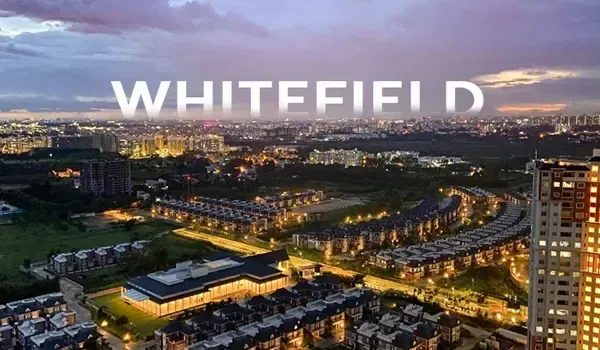
Whitefield and Marathahalli are two of East Bangalore's most active residential real estate markets in 2026, both anchored by a large IT and technology workforce and connected by the city's Outer Ring Road spine. Whitefield is the city's premium, mature, self-contained IT township — anchored by ITPB, EPIP Zone and RMZ Ecoworld — with an indicative average residential price of approximately ₹13,000 per sq ft, a typical band of ₹7,000–₹13,200, and prime or luxury pockets extending beyond ₹15,000. Marathahalli, sitting further west on the Outer Ring Road and closer to Bangalore's central IT belt, is a mid-segment, established dense suburb offering indicative pricing at roughly two-thirds of Whitefield's average — a meaningful affordability gap that reflects real differences in township scale, social-infrastructure depth and market maturity rather than simply a price discount on a comparable product.
This guide compares Whitefield and Marathahalli across price and affordability, connectivity and commute, employment anchors and rental demand, appreciation outlook, and lifestyle and housing stock, so that a buyer or investor in 2026 can make a well-informed, goals-driven choice between the two corridors.
Whitefield vs Marathahalli at a Glance
The table below summarises the key parameters side by side for quick reference before diving into each dimension in detail.
| Parameter | Whitefield | Marathahalli |
|---|---|---|
| Avg price / sq ft | ~₹13,000 (indicative; typical band ₹7,000–₹13,200) | Indicatively ~two-thirds of Whitefield’s average (mid-segment) |
| Market segment | Premium, mature, self-contained IT township | Mid-segment, dense established suburb |
| Location & connectivity | East Bangalore; Old Airport Road / ITPB cluster | East Bangalore inner-ORR; closer to CBD via Outer Ring Road |
| Metro access | Purple Line (Kadugodi terminus) | Limited metro; primary connectivity via ORR road network |
| Key tech hubs | ITPB, EPIP Zone, RMZ Ecoworld, Brigade Tech Park | ORR corridor tech parks, Sarjapur Road cluster, RGA Tech Park area |
| Housing stock & supply | Large planned townships; greenfield supply available | Denser older-suburb apartments & plots; limited greenfield supply |
| Appreciation outlook | ~13% YoY; strong, stable from mature base | Moderate; limited new supply supports value retention |
| Rental demand & yield | Strong GCC & IT workforce demand; ~4.4–7% indicative yield | High year-round tech-employee demand; yield broadly comparable |
| Best suited for | Premium living, township scale, metro access, stable appreciation | Affordability, central ORR location, rental convenience |
All figures are indicative for 2026 and vary by project, micro-location within each corridor and prevailing market conditions. Verify current rates with a registered real estate adviser before taking any investment decision.
Price & Affordability
The most immediate contrast between the two corridors is the entry price. Whitefield carries an indicative average of approximately ₹13,000 per sq ft, with a typical market band of ₹7,000–₹13,200 and select premium or luxury projects extending beyond ₹15,000. Marathahalli, being a mid-segment suburb, is indicatively priced at roughly two-thirds of this level — a gap that, on a standard 1,200 sq ft apartment, can translate to several lakhs of rupees in the total outlay and a correspondingly lower equity commitment upfront.
Whitefield's higher price reflects three decades of sustained IT-belt investment: deep social infrastructure, internationally benchmarked GCC campuses, a mature residential community and a well-earned premium address that continues to attract a high-income occupier profile. Buyers choosing Whitefield are paying for a fully formed township that delivers on lifestyle from day one — established schools, hospitals, malls, restaurants and last-mile metro connectivity are all already in place. Marathahalli's more affordable entry point reflects an earlier or different stage of urban form: a dense, organically grown suburb that provides excellent ORR-based access and a proven track record of absorbing the rental overflow from Bangalore's central IT belt, but one that lacks the greenfield township scale and curated amenities that define Whitefield.
For buyers where budget is the primary constraint, Marathahalli is a credible entry into Bangalore's IT employment catchment at a meaningfully lower per-sq-ft cost and a larger floor area per rupee spent. For buyers who want the full planned-township experience and are not price-constrained at the margin, Whitefield remains the premium benchmark in East Bangalore residential real estate in 2026.
Connectivity & Commute
The two corridors offer complementary connectivity profiles rather than directly comparable ones. Whitefield is anchored by the Namma Metro Purple Line, with Kadugodi as the eastern terminus connecting through Byappanahalli and onward to central Bangalore and the western suburbs. For residents and workers in the ITPB, EPIP Zone and Brigade Tech Park cluster, this metro link eliminates the historically painful Outer Ring Road congestion that once defined Whitefield living and was frequently cited as a deterrent to buyers who worked elsewhere in the city. In 2026, the Purple Line has become a material part of Whitefield's value proposition for end-users.
Marathahalli's connectivity is primarily road-based via the Outer Ring Road, which is both its strength and its limitation. The ORR in the Marathahalli stretch provides rapid access to a wide arc of tech parks stretching from the Sarjapur Road junction all the way through to the Hebbal flyover, making it one of Bangalore's best-placed suburbs for workers employed anywhere along the ORR corridor. However, the ORR is also one of the city's most congested stretches during peak hours, and residents who rely on road-based commutes absorb that congestion as a daily cost. Marathahalli's metro connectivity remains limited compared to Whitefield's established Purple Line terminus.
Buyers whose workplace lies on or immediately adjacent to the ORR will find Marathahalli's location genuinely convenient for road-based commuting. Buyers who want to commute by rail, or who prefer the certainty of a fixed-time metro commute over a variable road journey, will find Whitefield's Purple Line terminus the more compelling connectivity asset in 2026.
Employment & Rental Demand
Both corridors are underpinned by large, stable IT and technology employers, which creates the year-round rental demand that makes each one a viable investment destination. Whitefield's employment base spans over 100 GCCs (Global Capability Centres) and major IT services firms across ITPB, EPIP Zone, RMZ Ecoworld and Brigade Tech Park. The GCC workforce is typically senior, well-compensated and willing to pay for quality housing close to the campus — a profile that drives demand for premium and upper-mid-segment apartments and exerts upward pressure on both rents and capital values.
Marathahalli benefits from its position on the ORR corridor, which places it within a short commute of a wide range of tech-park campuses stretching from the Sarjapur Road junction northward. The suburb has a long-established role as a rental hub for the broader ORR tech-employee community, and the density of IT professionals living within the micro-market ensures consistently high occupancy for residential landlords. Housing typologies in Marathahalli tend toward the mid-segment — smaller apartments, builder-floor units and older residential complexes — which aligns with the rental budget of mid-level engineers and IT employees who form the core of the occupier base.
Whitefield carries indicative rental yields of approximately 4.4–7%, reflecting both strong absolute rents and continued demand from a premium occupier profile. Marathahalli's yields, as a percentage of capital deployed, are broadly comparable given its lower capital base and high occupancy rates — though direct comparison is sensitive to the specific micro-location and property type within each suburb. Investors focused on absolute monthly rental income will find Whitefield's rents higher in rupee terms; those optimising yield as a percentage of invested capital may find the two corridors broadly equivalent.
Appreciation & Investment Outlook
Whitefield has delivered indicative year-on-year price appreciation of approximately 13% in recent periods, driven by a combination of GCC expansion and new-hire demand, Purple Line metro becoming operational and integrated into daily commutes, a strong pipeline of premium new-launch projects sustaining buyer interest, and structural undersupply relative to the high-income occupier base that the corridor attracts. At an indicative average of approximately ₹13,000 per sq ft, Whitefield is no longer a discovery market — it is a mature, institutionally recognised residential corridor where price gains are driven by real demand fundamentals rather than speculative sentiment.
Marathahalli presents a different investment narrative. As a denser, established suburb with limited greenfield development land, new residential supply is inherently constrained, which tends to support prices in existing properties and reduce the risk of oversupply diluting capital values. The corridor's appreciation is steadier and more supply-driven than Whitefield's infrastructure-and-demand-led model. Buyers entering Marathahalli are typically acquiring older stock or mid-segment projects rather than large-format new-launch townships, and the appreciation profile reflects that — more stable and modest than Whitefield's premium corridor performance.
From a portfolio perspective, Whitefield offers higher headline appreciation rates from a well-established premium base, while Marathahalli offers value retention through supply scarcity and consistent occupier demand. Neither market is speculative in character — both are anchored by structural IT employment — but the appreciation driver and quantum differ meaningfully between them. As in all real estate markets, past performance does not guarantee future outcomes and investors should verify current conditions before committing capital.
Which Should You Choose?
The right corridor depends on your specific goals, budget and timeline. Here is a practical framing to guide the decision.
Choose Whitefield if: you want to live in a large, self-contained planned township with established schools, hospitals, malls and restaurants from day one; if you work in or near ITPB, EPIP Zone, RMZ Ecoworld or Brigade Tech Park; if you are an end-user who values lifestyle quality, township-scale amenities and metro rail access over price optimisation; if you are an investor who wants ~13% YoY appreciation underpinned by GCC demand and a well-capitalised premium occupier profile; or if rental yields in the 4.4–7% indicative range from a premium tenant base are your priority.
Choose Marathahalli if: affordability is a primary consideration and you want entry into Bangalore's IT employment belt at roughly two-thirds of Whitefield's per-sq-ft cost; if you or your tenants work at tech parks along the ORR or Sarjapur Road corridor and value road-based centrality over metro access; if you are an investor seeking a densely occupied, supply-constrained suburb with stable occupancy and comparable yield-on-cost; or if you prefer an established, mixed-use urban neighbourhood over a planned township environment.
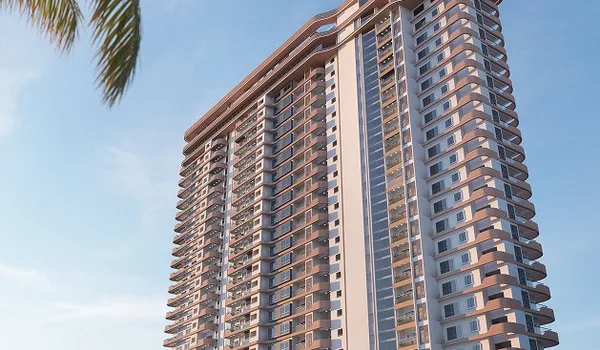
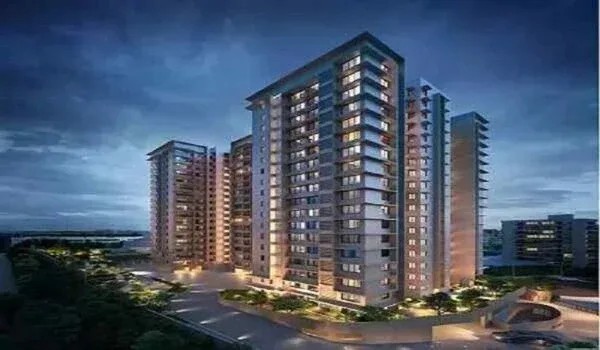
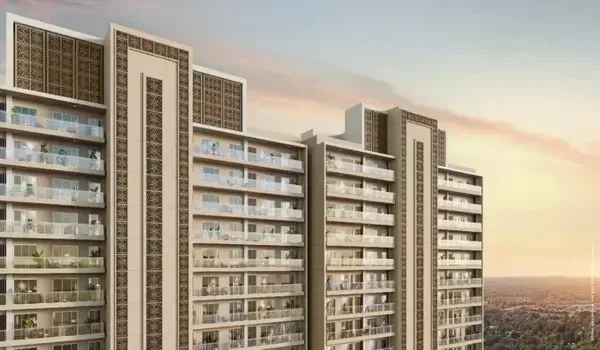
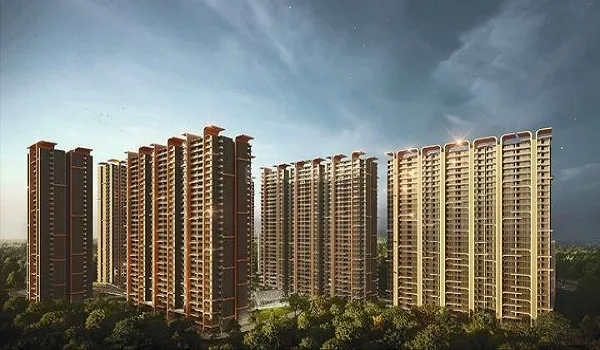
Buyers who have decided on a premium Whitefield address can explore Godrej Whitefield, a pre-launch residential apartment project by Godrej Properties on the Whitefield IT belt, as one of the new-launch options currently available in the corridor.
Frequently Asked Questions
1. Is Whitefield or Marathahalli more expensive?
Whitefield is more expensive. It carries an indicative average residential price of approximately ₹13,000 per sq ft, with a typical band of ₹7,000–₹13,200 and premium pockets exceeding ₹15,000. Marathahalli is a mid-segment market, indicatively priced at roughly two-thirds of Whitefield's average — a meaningful difference that reflects the gap in market maturity, township scale and social-infrastructure depth between the two micro-markets.
2. Which has better connectivity — Whitefield or Marathahalli?
Marathahalli has a road-connectivity advantage for commutes toward central Bangalore, sitting on the Outer Ring Road with quick access to the ORR tech-park belt and the Sarjapur Road corridor. Whitefield's connectivity strength lies in the Namma Metro Purple Line (Kadugodi terminus), which provides a congestion-free rail link into central Bangalore. Marathahalli's primary connectivity remains road-based via the ORR network, which is extensive but subject to traffic congestion during peak hours. Buyers should weigh their specific workplace location when comparing commute practicality.
3. Which is better for rental income — Whitefield or Marathahalli?
Both micro-markets offer strong, stable rental demand driven by large IT and GCC workforces. Whitefield carries indicative rental yields of approximately 4.4–7%, with higher absolute rents reflecting its premium price point and GCC-profile tenants. Marathahalli, being more affordable with a lower capital base, offers broadly comparable yields as a percentage of capital deployed, supported by high-volume tech-employee demand from the ORR and Sarjapur Road corridor workforce. Investors seeking absolute rupee rental income will find Whitefield ahead; those optimising yield-on-cost may find the two corridors broadly equivalent.
4. Which area appreciates faster — Whitefield or Marathahalli?
Whitefield has delivered indicative year-on-year appreciation of approximately 13%, supported by GCC expansion, Purple Line metro and sustained new-project demand. Marathahalli, as a denser, more established suburb with limited greenfield supply, tends to see value supported by supply constraints rather than large-quantum appreciation. Whitefield's appreciation is driven by a combination of infrastructure investment and continued premium demand; Marathahalli's is steadier and more supply-driven. Past performance in either market is not a guarantee of future returns.
5. Is Whitefield worth the premium over Marathahalli?
For buyers who value a large, self-contained planned-township environment — with ITPB and EPIP tech parks, dedicated social infrastructure and Purple Line metro access — Whitefield's premium is justified by the depth of what already exists on the ground and the continued demand from an expanding GCC community. For buyers prioritising ORR-centric central access and affordability, Marathahalli offers a credible alternative at a lower per-sq-ft entry point. The right answer depends on lifestyle priorities, budget headroom and investment time horizon.
6. Which is better for an end-user vs an investor?
End-users who want large planned townships, established schools and hospitals, retail infrastructure and metro rail access will generally find Whitefield the better residential environment. Investors targeting steady, yield-supported returns from a premium tech-belt market will also lean toward Whitefield. Investors who want affordable entry into a densely occupied tech-worker suburb with high rental occupancy and limited new supply may find Marathahalli an attractive alternative. In both cases, aligning the choice with your specific goals — capital growth, rental yield or lifestyle quality — matters more than a blanket preference for either corridor.
Conclusion
Whitefield and Marathahalli are two distinct value propositions within East Bangalore's IT-corridor residential market in 2026. Whitefield is the premium, mature choice — a large self-contained IT township anchored by ITPB and EPIP Zone, served by the Purple Line metro, delivering indicative appreciation of ~13% YoY and rental yields of ~4.4–7%, at an indicative average of ~₹13,000 per sq ft with a typical band of ₹7,000–₹13,200 and luxury pockets beyond ₹15,000. Marathahalli is the mid-segment alternative — a dense, established Outer Ring Road suburb, indicatively priced at roughly two-thirds of Whitefield's average, offering excellent ORR-based road connectivity, high rental occupancy from the tech-employee workforce and stable value retention through limited new supply. The right choice depends on your goals: Whitefield for premium living, planned-township scale and strong metro-supported appreciation; Marathahalli for affordability, central ORR access and steady rental demand. To explore opportunities in the Whitefield corridor and discuss which option suits your specific goals, contact us here.
Godrej Whitefield Blog
More Whitefield project and market guides.