Whitefield vs Hoskote 2026 - Where to Buy

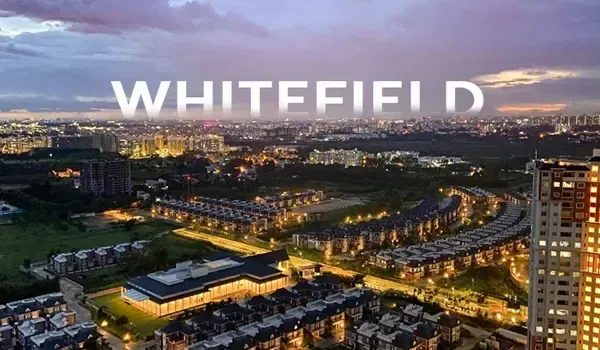
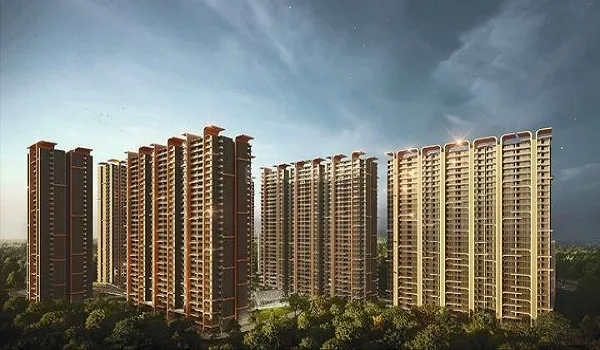
Whitefield is the established, higher-priced IT hub while Hoskote is the emerging value corridor ~12 km east on NH-75 with lower entry prices — your choice depends on whether you prioritise a mature address or maximum upside. Godrej Whitefield by Godrej Properties is a flagship Whitefield option on the IT belt, anchoring the case for buyers who want a mature address with deep rental demand, while Hoskote remains plain-text territory for now — an emerging corridor that rewards investors comfortable with a longer horizon.
Whitefield vs Hoskote 2026 — Comparison Overview
The table below captures the five parameters that matter most when comparing these two East Bangalore corridors side by side.
| Parameter | Whitefield | Hoskote |
|---|---|---|
| Price per sq ft (indicative) | ~₹8,500–14,000+ | Noticeably lower entry |
| Stage | Established IT hub | Emerging / fast-developing |
| Connectivity | Purple Line metro, ORR, ITPL belt | NH-75, Whitefield-Hoskote Road, PRR (planned), airport access |
| Social infrastructure | Mature malls, schools, hospitals | New schools & hospitals coming up |
| Best for | End-users wanting a mature address & rental depth | Investors / budget buyers wanting upside |
Prices and details are indicative for 2026 and vary by pocket and project — verify current rates before you buy.
Price & Entry Cost
Whitefield commands a premium that reflects its maturity. Indicative rates across the micro-market run roughly ₹8,500 to ₹14,000 per sq ft and above, depending on the specific pocket — core IT belt addresses, proximity to the Purple Line metro and brand pedigree all push the number higher. A 2 BHK in a new-build project on the ITPL belt can cross ₹1.5 Cr with ease.
Hoskote offers a noticeably lower entry cost. The gap is meaningful enough to attract budget buyers who are priced out of Whitefield and investors who want a larger land holding or a bigger unit for the same outlay. That said, a lower price today also reflects a thinner established market and a longer wait for the infrastructure that drives appreciation. Hoskote suits buyers who can absorb the emerging-corridor timeline in exchange for a lower ticket size and higher potential upside from the base.
Connectivity & Growth Drivers
Whitefield's connectivity is the most mature of any East Bangalore micro-market. The Purple Line metro runs through Whitefield, connecting it to Central Bangalore and the ORR. The Outer Ring Road links Whitefield to major employment nodes in Marathahalli, Bellandur and Sarjapur. The ITPL and EPIP tech parks sit within the pocket, reducing commute distances for IT workers to minutes. This combination of metro, arterial roads and on-belt employment is what sets Whitefield apart as an end-use address.
Hoskote's connectivity story is road-led and partly forward-looking. NH-75 is the primary artery, giving fast access eastward and reasonable access back toward Whitefield and the ORR. The Whitefield-Hoskote Road adds a direct link between the two corridors. The planned Peripheral Ring Road, when operational, is expected to transform Hoskote's position by connecting it to the broader Bangalore ring. Airport proximity is also a genuine draw — Hoskote is comparatively closer to Kempegowda International Airport than the core Whitefield addresses. All infrastructure timelines here are indicative; verify current status before making a decision.
Social Infrastructure
Whitefield's social infrastructure is the strongest argument for end-use buyers. The corridor has multiple malls including Phoenix Marketcity and VR Bengaluru, established international and national-chain schools, multi-specialty hospitals and a dense restaurant and retail ecosystem. A buyer moving into a Whitefield home today does not need to wait for amenities to arrive — they are already there, which directly supports rental demand and resale liquidity.
Hoskote is rapidly adding schools, hospitals and retail but is still in the build-out phase. New residential projects in the corridor are being accompanied by commercial and civic investment, which is the typical pattern for emerging East Bangalore pockets. Buyers moving in today will see infrastructure improve around them over the coming years, which is the trade-off for the lower entry cost.
Rental Demand & Appreciation
Whitefield has one of the deepest tenant pools in Bangalore, driven by the concentration of IT and tech-adjacent employers on the ITPL belt and ORR. Rental demand stays broadly consistent across cycles because the employment base is large and diverse. Rents and capital values both appreciate steadily, though from a high base — the absolute percentage gains in any single year are more moderate than in emerging corridors.
Hoskote's current rental demand is thinner, reflecting the smaller existing residential and employment stock. However, the corridor has higher appreciation potential from a lower base. Investors who enter early in an emerging corridor and hold for five to eight years typically capture the steepest part of the growth curve as infrastructure arrives and the social layer matures. Hoskote fits that profile well for patient capital, but end-users who need rental income from day one should calibrate expectations carefully.
Which Should You Buy?
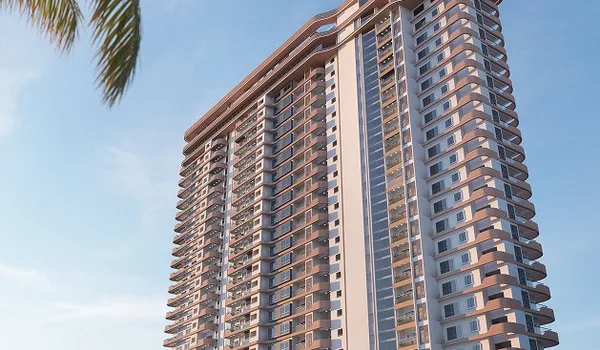
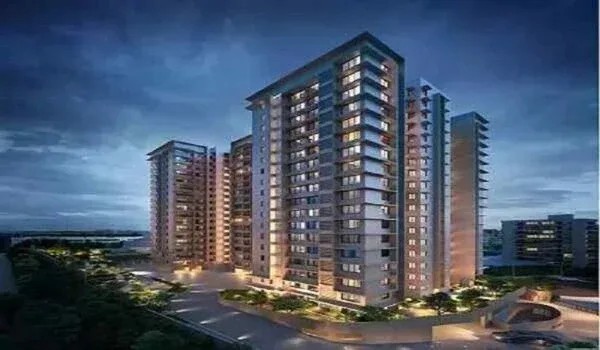
Choose Whitefield if you want a mature IT-hub address, deep rental demand and a social infrastructure that is ready now. A project like Godrej Whitefield on the IT belt combines the Godrej build standard with the location premium that drives consistent tenant interest and resale liquidity. See full price details to understand current entry levels on the Whitefield IT belt.
Choose Hoskote if you are an investor or a budget buyer comfortable with an emerging-market timeline. The lower entry cost, NH-75 access, planned Peripheral Ring Road and airport proximity give Hoskote genuine long-term growth drivers — but the maturity lag is real and should be factored into your holding period.
Bottom line: Whitefield wins on maturity, rental depth and move-in readiness; Hoskote wins on entry cost and upside potential from a lower base. Match the corridor to your priority, not the other way around.
Frequently Asked Questions
1. Is Whitefield or Hoskote better to buy in 2026?
Whitefield is better for buyers who want a mature IT-hub address, steady tenant demand and an established social infrastructure. Hoskote suits buyers and investors who want lower entry prices and are comfortable with an emerging-corridor timeline for appreciation.
2. Is Hoskote worth investing in?
Yes, Hoskote can be worth investing in for budget buyers and investors comfortable with an emerging corridor. Its position on NH-75, planned Peripheral Ring Road access and proximity to the airport give it genuine long-term growth drivers, though the timeline for full maturity remains longer than Whitefield.
3. How big is the price difference between Whitefield and Hoskote?
Hoskote entry prices are noticeably lower than Whitefield, where indicative rates run roughly ₹8,500 to ₹14,000 per sq ft and above depending on project and pocket. The exact gap varies by project stage and location within each micro-market — verify current rates before you buy.
4. How is Hoskote connectivity?
Hoskote is connected via NH-75 and the Whitefield-Hoskote Road. The planned Peripheral Ring Road is expected to improve access further, and the corridor also offers relatively straightforward airport access. Metro connectivity is not yet established in Hoskote, so road access currently dominates.
5. Which has better appreciation potential, Whitefield or Hoskote?
Hoskote offers higher appreciation potential from a lower base, which suits investors with a longer horizon. Whitefield appreciation is steadier and backed by deep IT-sector demand, but the base is already elevated, so absolute percentage gains tend to be more moderate.
6. Which is better for end-use, Whitefield or Hoskote?
Whitefield is generally better for end-use in 2026 because it has mature social infrastructure including malls, established schools, multi-specialty hospitals and a large tenant pool from the ITPL and EPIP tech parks. Hoskote is adding schools and hospitals but the social layer is still developing.
Conclusion
Whitefield and Hoskote serve different buyer profiles in 2026. Whitefield is the right choice if you want a mature IT-hub address, deep rental demand and social infrastructure that is fully established today — Godrej Whitefield on the IT belt is a strong representative of what that corridor offers at the pre-launch stage. Hoskote is the right choice if you are an investor or budget buyer prepared for an emerging-corridor timeline and want the higher upside that comes with a lower entry cost. Neither answer is universally better; the right corridor is the one that matches your move-in timeline, budget and risk appetite. To discuss which option suits your situation, schedule a call with the team.
Godrej Whitefield Blog
More Whitefield project and market guides.