NRI Guide to Buying Property in Bangalore 2026

For a non-resident Indian, buying a home in Bangalore is one of the most popular ways to stay invested in India, and the rules are more straightforward than most people expect. The bigger questions are usually practical: how to pay from abroad, how much loan a bank will give, what tax and TDS apply, and how to bring the money back on a future sale. This 2026 guide walks through each step so an NRI or OCI buyer can act with confidence.
Rules and figures here reflect the position in 2026 and are indicative; foreign-exchange and tax rules can change and depend on your residency status, so confirm the specifics with a chartered accountant or legal advisor before you transact.
Can NRIs Buy Property in Bangalore?
Yes. Under the Foreign Exchange Management Act, an NRI or an OCI cardholder can freely buy residential and commercial property in India, in any number, without needing special permission from the Reserve Bank of India. The one clear restriction is agricultural land, plantation property and farmhouses, which cannot be purchased outright and generally require government approval or inheritance. For a city buyer eyeing an apartment or villa on Bangalore's IT corridors, that restriction rarely matters, so the door is effectively wide open.
NRI Property Rules at a Glance (2026)
The table summarises the essentials an NRI buyer should know before starting, from payment routes to repatriation.
| Aspect | What Applies for NRIs |
|---|---|
| Who can buy | NRIs & OCIs; residential and commercial only (not farmland/farmhouse) |
| How to pay | Through NRE, NRO or FCNR accounts via normal banking channels |
| Home loan | Up to ~75% – 80% of value from Indian banks and HFCs |
| TDS on purchase | Buyer deducts 1% if price > ₹50 lakh (resident seller) |
| Repatriation | Up to USD 1 million per financial year from an NRO account |
| Tax benefits | Same Section 24(b) and 80C deductions as residents |
Indicative 2026 position under FEMA and income-tax rules; confirm specifics with a professional advisor.
How NRIs Pay and Fund the Purchase
All payments must move through normal banking channels, not foreign currency in cash. In practice that means funding the purchase from an NRE account (for money earned abroad and freely repatriable), an NRO account (for India-sourced income, with limited repatriation) or an FCNR deposit. For the balance, Indian banks and housing finance companies lend to NRIs much as they do to residents, typically financing up to about 75% to 80% of the property value, with the EMI serviced from your NRE or NRO account or by inward remittance. Loan tenure and eligibility depend on your income, age and the lender, and rates broadly track resident home-loan rates, so it is worth comparing a few offers.
Tax, TDS and What You Owe
On the tax side, an NRI enjoys the same home-loan deductions as a resident who files in India: interest of up to ₹2 lakh a year on a self-occupied home under Section 24(b), and principal, stamp duty and registration under Section 80C within the ₹1.5 lakh limit, both available under the old regime. TDS is the part that trips people up. When you buy from a resident seller, you deduct 1% TDS if the price crosses ₹50 lakh. If you later sell, or if you buy from another NRI, TDS is deducted at the higher capital-gains rate on the seller's gain, which makes professional handling important. Rental income earned in India is taxable here too, and tenants may deduct TDS before paying you.
Repatriating Your Money Back
Bringing money out of India is governed by clear limits. From an NRO account you can repatriate up to USD 1 million per financial year, covering sale proceeds and rental income, once the applicable taxes are paid and your bank has the paperwork. Where the property was originally bought using NRE funds or a direct inward remittance, repatriating the original investment amount is more straightforward, and the proceeds from the sale of up to two residential properties can be sent back on that basis. Keep every record of how you funded the purchase, since your bank will ask for it, along with a chartered accountant's certificate, before it processes an outward remittance.
Documents, Power of Attorney and Due Diligence
The core documents are a valid passport, PAN card, OCI or PIO card where applicable, and overseas and Indian address proof. If you cannot fly in for registration, a specific, properly attested Power of Attorney lets a trusted person in India sign and register on your behalf, which is common and perfectly legal. Due diligence matters just as much from abroad: check the title chain and the encumbrance certificate, confirm the khata, and for any under-construction project verify the developer's registration on the Karnataka RERA portal before releasing funds. A local lawyer's title check is a small cost against the size of the transaction.
A Bangalore Option Built for NRI Buyers
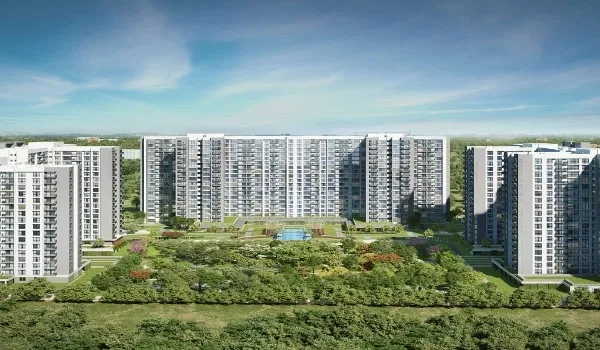
NRIs typically prefer a branded, gated project for the transparency and resale confidence it brings, and our pre-launch Godrej Whitefield fits that brief on the East Bangalore IT corridor in Whitefield. Built by Godrej Properties, a listed developer with clear documentation and RERA-led delivery, it is the kind of address that tends to rent easily and hold value, which is exactly what a remote owner wants. An authorised team can also handle site updates and paperwork while you are overseas.
Frequently Asked Questions
1. Can NRIs buy property in Bangalore in 2026?
Yes. NRIs and OCIs can freely buy residential and commercial property in India under FEMA. They cannot buy agricultural land, plantations or farmhouses without special approval.
2. Can an NRI get a home loan in India?
Yes. Indian banks and housing finance companies offer NRIs home loans, usually funding up to about 75% to 80% of the property value. The loan is repaid through NRE, NRO or inward remittance.
3. How can NRIs repatriate money from selling property?
Sale proceeds can be repatriated up to USD 1 million per financial year from an NRO account, subject to taxes being paid. Repatriation of the original investment is easier where the property was bought using NRE funds or inward remittance.
4. Do NRIs pay TDS when buying property in Bangalore?
When buying from a resident seller, the buyer deducts 1% TDS if the price is above Rs 50 lakh. If the seller is an NRI, TDS is deducted at the higher capital-gains rate, so professional advice helps.
5. Can NRIs claim home loan tax benefits?
Yes. NRIs get the same deductions as residents, including interest under Section 24(b) and principal under Section 80C, provided they file returns in India under the old regime.
6. Do NRIs need to be in India to buy and register property?
No. An NRI can appoint a trusted person through a registered Power of Attorney to complete registration and formalities. The POA should be specific and properly attested.
Conclusion
Buying in Bangalore as an NRI in 2026 is well within reach: FEMA lets you own residential and commercial homes freely, Indian banks fund up to about 75% to 80% of value, and you get the same 24(b) and 80C tax breaks as residents. Watch the TDS rules whenever an NRI is the seller, keep clean records so repatriation of up to USD 1 million a year runs smoothly, and verify title, khata and RERA before you release funds. A registered Power of Attorney handles the paperwork when you cannot be present. To explore NRI-friendly Godrej homes in Bangalore, contact us here.
Godrej Whitefield Blog
More Bangalore market guides.
 Bangalore Real Estate 2026: Prices, Zones & Top Projects
 Home Loan, Stamp Duty & Registration Costs in Bangalore 2026
 Best Areas to Invest in Bangalore 2026
 Rental Market & Rental Yields in Bangalore 2026
 Whitefield Bangalore: Prices & Investment Guide 2026
 Godrej Properties Projects in Bangalore 2026