Bangalore Real Estate 2026: Prices, Zones & Top Projects
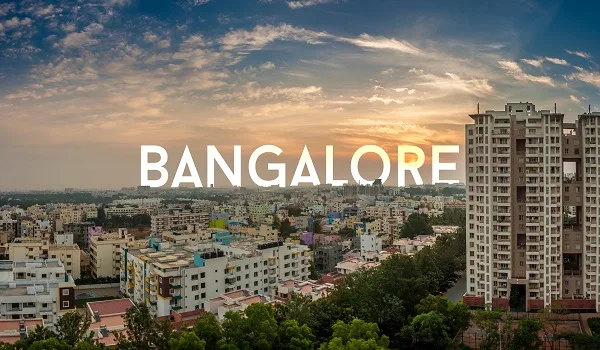
Apartments in Bangalore average about ₹12,100 per sq ft in 2026, up roughly 14% over the previous year, with rates ranging from around ₹4,650 per sq ft in far peripheries to ₹18,500 and above in prime central and East Bangalore pockets. The city stays one of India's most resilient housing markets because a deep IT and GCC job base keeps both buyers and tenants in the market through cycles. This guide sets out zone-wise prices, appreciation trends, and the projects and builders worth a shortlist this year.
Our own live pre-launch option sits on the strongest of these corridors: Godrej Whitefield, an apartment project on the Whitefield IT belt in East Bangalore. The sections below give the citywide context first, then point down to detailed zone and project guides.
Bangalore at a Glance (2026)
The table sums up the numbers buyers ask about first. Use it as a quick citywide benchmark before you drill into a specific zone or project.
| Metric | 2026 Figure |
|---|---|
| Citywide average rate | ~₹12,100 / sq ft |
| Citywide range | ~₹4,650 to ₹18,500+ / sq ft |
| Recent price growth | ~14% year-on-year |
| Forecast growth (2026) | ~6–10% |
| Most expensive zone | East Bangalore (~₹13,000–13,750 / sq ft) |
| Fastest-appreciating belts | Sarjapur Road, Devanahalli |
| Main demand driver | IT / GCC employment |
Figures are indicative market averages for 2026 compiled from public listing portals; verify the rate for a specific project and micro-market before booking.
Bottom line: Bangalore is a broad, job-led market where prices have risen steadily across most zones rather than spiking in one.
Bangalore's Zones and What They Cost
Bangalore's residential market splits into four broad zones, each with its own price level, job anchors and buyer profile.
- East Bangalore — the premium and most active zone, averaging about ₹13,000–13,750 per sq ft. It covers Whitefield, ITPL, Varthur, KR Puram and the Sarjapur Road–ORR stretch, and is anchored by the city's densest cluster of tech parks and an operational Purple Line metro. This is where our project, Godrej Whitefield, sits.
- North Bangalore — the airport-corridor growth story, averaging around ₹11,150 per sq ft near Hebbal, Thanisandra and the Manyata belt, and lower toward Devanahalli. The upcoming airport-line metro and expanding roads make it the leading long-horizon appreciation play.
- South Bangalore — an established, well-serviced belt (Jayanagar, JP Nagar, Bannerghatta Road, Electronic City) that blends legacy neighbourhoods with the southern IT corridor; pricing spans a wide mid-to-premium band.
- Central Bangalore — the highest absolute rates in the city for scarce premium and luxury stock (Indiranagar, MG Road, Lavelle Road), driven by land scarcity rather than new IT supply.
Bottom line: East Bangalore leads on both price and activity, North Bangalore on growth potential, while South and Central serve established-neighbourhood and luxury demand respectively.
Why Bangalore's Market Stays Resilient
Bangalore's housing demand rests on employment, not speculation. The city hosts the country's largest concentration of IT services firms and Global Capability Centres (GCCs), and each hiring cycle refreshes the pool of buyers and tenants. That job base is why prices here have compounded steadily rather than boom-and-bust.
Infrastructure is the second lever. The expanding Namma Metro network, the Outer Ring Road tech corridor, the Peripheral Ring Road plans and the airport-linked road and rail upgrades keep opening new liveable belts, which spreads demand across zones instead of concentrating it in one.
Bottom line: Jobs plus transit expansion give Bangalore a structural floor under prices that most Indian cities cannot match.
The Investment View on Bangalore
Bangalore rewards a buy-and-hold approach. With citywide growth forecast at about 6–10% for 2026 and the East and North corridors expected to outpace that, the market suits investors who can hold five years or more and end-users who value a short commute to work. Rental demand is deepest in the IT belts, where yields sit stronger than the city average.
Whichever zone you choose, verify the developer's registration on the official Karnataka RERA portal before you commit — the state maintains project and agent records at rera.karnataka.gov.in. All Bangalore residential projects, including those by Godrej Properties, must carry a valid K-RERA registration (or an application in process for pre-launch stock).
Bottom line: Bangalore is a consistency market, not a quick-flip one; pick the zone that matches your horizon and verify RERA before booking.
Frequently Asked Questions
1. What is the average property price in Bangalore in 2026?
The average asking price for apartments in Bangalore is about ₹12,100 per sq ft in 2026, having risen roughly 14% over the preceding year. Prices range widely by zone, from about ₹4,650 per sq ft in far peripheries to ₹18,500 per sq ft and above in prime central and East Bangalore pockets.
2. Which zone of Bangalore is the most expensive in 2026?
East Bangalore leads the city on price, averaging around ₹13,000 to ₹13,750 per sq ft in 2026, driven by the Whitefield, ITPL, Varthur and Sarjapur-ORR IT belt. Central Bangalore commands the highest absolute rates for premium stock, while North Bangalore around Hebbal and the airport corridor sits close behind at about ₹11,150 per sq ft.
3. Is Bangalore a good place to invest in real estate in 2026?
Bangalore remains one of India's most resilient residential markets in 2026, underpinned by a deep IT and GCC job base. Prices are projected to grow about 6 to 10 percent for the year, with Sarjapur Road, Devanahalli and the wider East Bangalore belt expected to lead appreciation. A hold of five years or more suits the market's steady, job-led growth pattern.
4. Which is better to buy in, East Bangalore or North Bangalore?
East Bangalore is the mature, income-now choice with the deepest IT job base, an operational metro and strong rental demand, at a higher entry price. North Bangalore around Devanahalli and Hebbal is the higher-growth, airport-corridor play with a lower entry price and a longer horizon. The right pick depends on whether you prioritise immediate rental income or long-term appreciation.
5. Which builders are most active in Bangalore in 2026?
Listed developers such as Godrej Properties, Prestige Group, Brigade, Sobha and Total Environment are among the most active across Bangalore in 2026, with large pipelines on the East and North corridors. Godrej Properties in particular runs projects across Whitefield, Devanahalli, Sarjapur Road and Yeshwanthpur.
Bangalore Real Estate Guides
Zone, builder and market guides for Bangalore. Each opens a full breakdown with prices, projects and status — and links down to our Whitefield locality hub.
 Godrej Properties Projects in Bangalore 2026
 Luxury Apartments in East Bangalore 2026
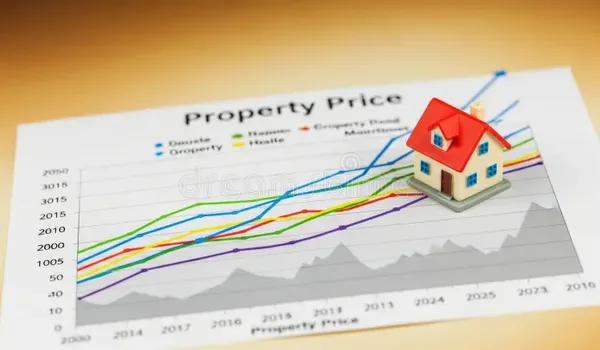 Bangalore Property Price Trends 2026
 Best Areas to Invest in Bangalore 2026
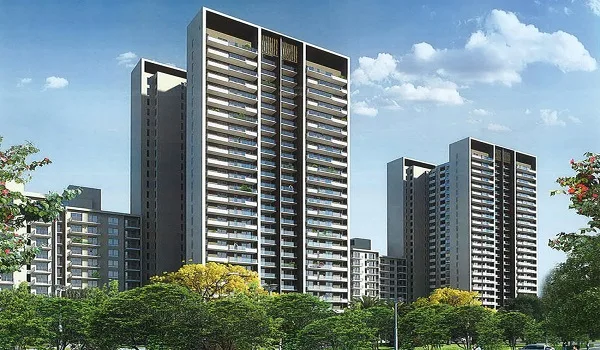 Luxury Apartments in North Bangalore 2026
 Top Builders in Bangalore 2026
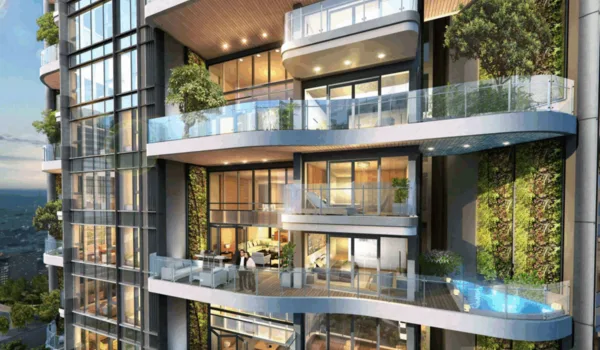 Luxury Apartments in South Bangalore 2026
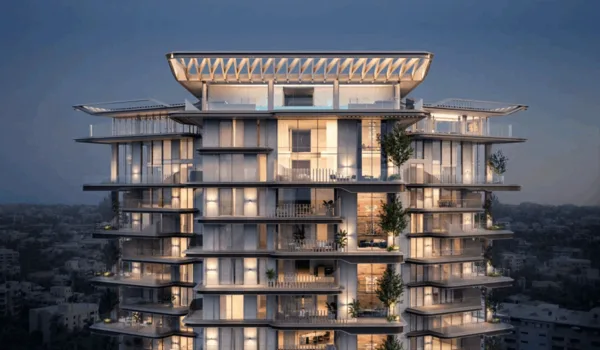 Luxury Apartments in West Bangalore 2026
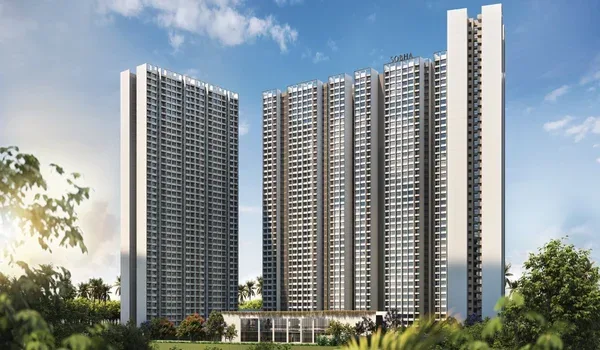 New Launch Apartment Projects in Bangalore 2026
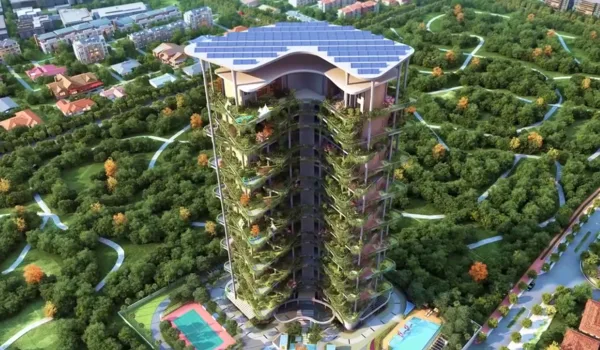 Luxury Apartments in Central Bangalore 2026
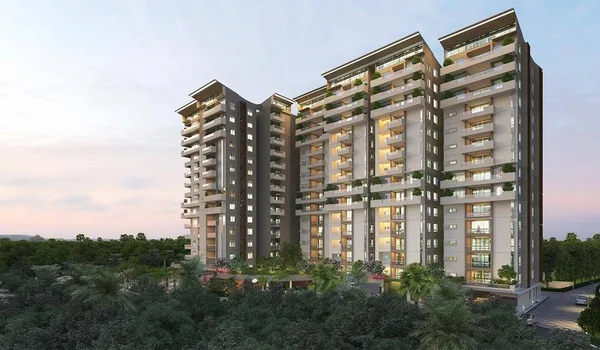 Affordable Apartments in Bangalore 2026
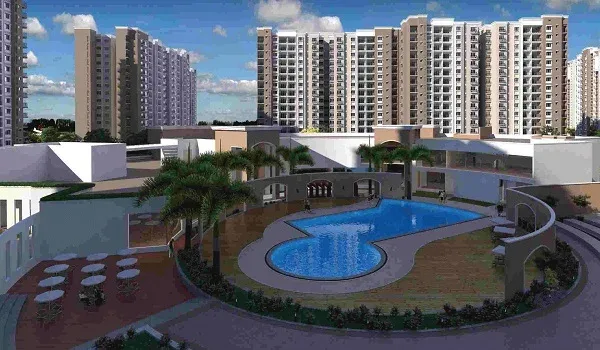 Ready to Move Apartments in Bangalore 2026
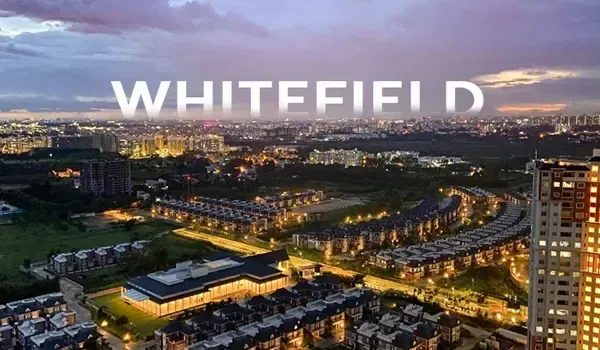 Whitefield Bangalore: Prices & Investment Guide 2026
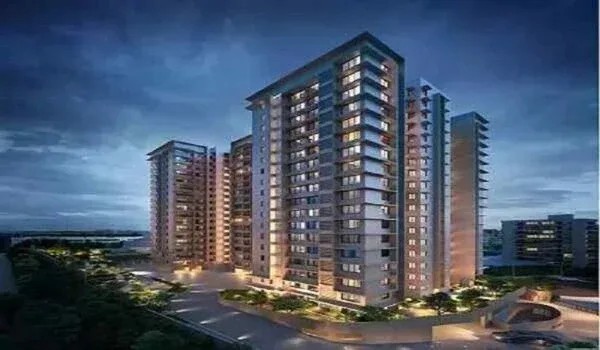 Top 10 Residential Apartments Projects in Whitefield 2026
 Whitefield Property Price Trends 2026
 NRI Guide to Buying Property in Bangalore 2026
 Property Title Verification & Legal Checklist for Bangalore Buyers 2026
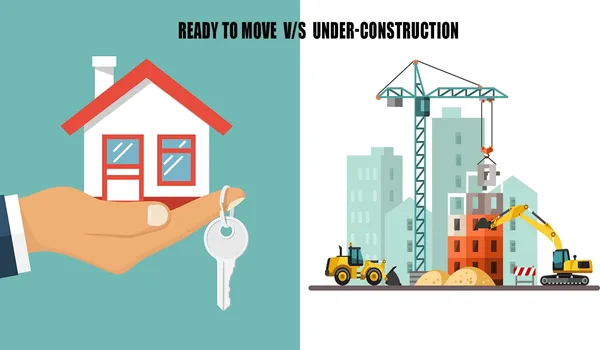 Under-Construction vs Ready-to-Move Apartments in Bangalore 2026
 First-Time Home Buyer Guide for Bangalore 2026
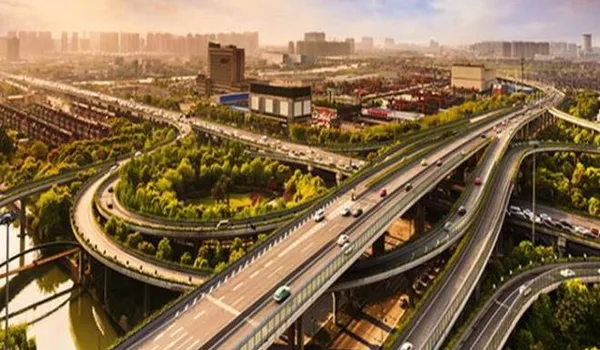 Upcoming Infrastructure & Growth Corridors in Bangalore 2026-2027
 Apartment vs Villa vs Plot in Bangalore 2026