Upcoming Infrastructure & Growth Corridors Driving Bangalore Real Estate 2026-2027
Infrastructure is the single biggest force shaping where Bangalore property values go next. A new metro station, a ring road or a rail link can turn a quiet outer pocket into a sought-after address within a few years. Heading into 2027, several large projects are moving from paper to reality across the city, and each one is quietly redrawing the map of where buyers and tenants want to be. This guide walks through the projects that matter and the corridors they are lifting, so you can read the growth story before it shows up fully in prices.
Project scopes and timelines here are indicative for 2026-2027 and depend on government execution, so treat them as direction rather than a guarantee, and confirm the current status of any project before you factor it into a purchase.
Why Does Infrastructure Drive Property Prices?
The logic is simple: people pay a premium to live where getting to work, the airport or the city centre is easier. When a metro line or a major road cuts a commute from ninety minutes to thirty, the homes it serves become more liveable, and demand, rents and prices follow. That is why the smart money watches the pipeline of roads, metro lines and rail links, buying into a corridor while it is still under construction and cheaper, ahead of the lift that arrives once the infrastructure opens.
Bangalore's Key Infrastructure Projects at a Glance
The table below sums up the projects doing the most to reshape the city's residential map.
| Project | What It Is | Corridor It Lifts |
|---|---|---|
| Namma Metro expansion | New and extended metro lines across the city | East, outer and central belts |
| Airport metro line | Rapid link towards Kempegowda International Airport | North and northeast |
| Suburban Rail | Commuter rail across the wider metro region | Suburban and satellite towns |
| Peripheral Ring Road | Planned outer road ringing the city | North to east outer belts |
| STRR & road upgrades | Satellite ring road and highway widening | Peripheral growth pockets |
Indicative 2026-2027 status; scope and timelines depend on government execution.
Namma Metro Expansion
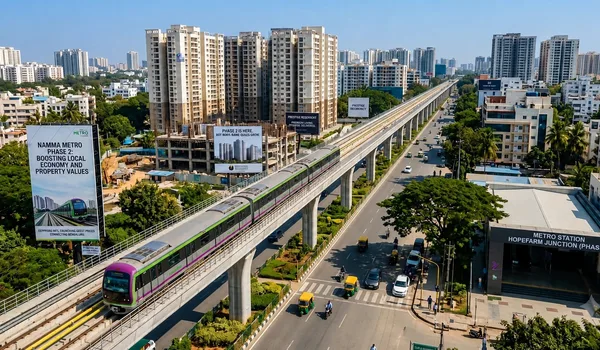
The metro remains the biggest single lever on Bangalore's residential map. As the network extends deeper into the east, spreads along the Outer Ring Road employment belt and pushes towards the outer suburbs, homes within walking distance of a confirmed station consistently command a premium in both sale price and rent. The East Bangalore stretch in particular, serving the Whitefield and IT-corridor employment base, has already turned metro proximity into a headline selling point, and further extensions keep widening the catchment of areas that count as well-connected.
Airport Line and Suburban Rail
Two projects are opening up the north and the wider region. The airport metro line is building a fast link towards Kempegowda International Airport, which is steadily pulling residential and commercial interest into the northern belt around Hebbal, Yelahanka and the airport road. Alongside it, the Bengaluru Suburban Rail aims to connect the city with its satellite towns using commuter rail, which over time makes places once considered too far, along the north and outer corridors, viable for daily commuters. Both shorten the effective distance to jobs, and that is what pulls demand outward.
Peripheral Ring Road and Outer Connectivity
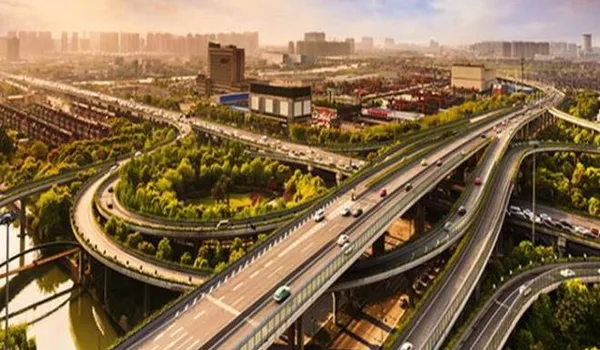
Road infrastructure matters as much as rail. The long-planned Peripheral Ring Road is designed to loop around the city and link the northern and eastern corridors without forcing traffic through the core, and the Satellite Town Ring Road plus assorted highway widenings do similar work further out. Better outer connectivity typically unlocks new residential belts, because land that was hard to reach becomes a reasonable commute. These are the projects to watch if you are looking for tomorrow's growth pockets rather than today's established ones.
Where This Leaves Buyers and Prices
For a buyer, the takeaway is to match your horizon to the project's stage. An operational metro station near a home is a value you pay for today; a station still under construction offers a lower entry price with some timeline risk, and the upside if it delivers. East Bangalore around Whitefield, the northern airport belt and the Sarjapur and Outer Ring Road corridors are among the most active precisely because they sit at the intersection of jobs and improving connectivity. Wherever you look, buy on connectivity that is confirmed and progressing, not merely announced.
A Well-Connected Bangalore Option
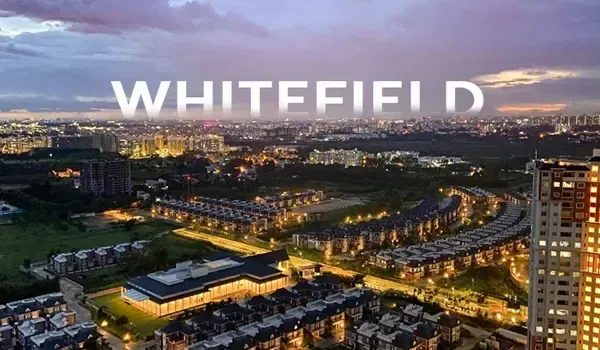
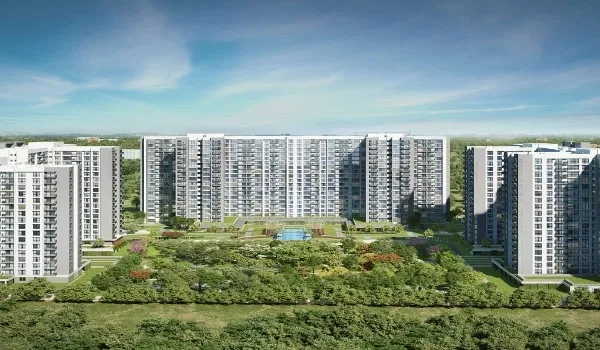
If proven connectivity is your priority, our pre-launch Godrej Whitefield sits on the East Bangalore IT corridor in Whitefield, one of the city's most infrastructure-rich growth belts, close to the metro and the major tech parks. Built by Godrej Properties, a listed developer with RERA-led delivery, it pairs a strong location with clean documentation. Before you commit to any corridor play, confirm the specific project's registration on the Karnataka RERA portal, and an authorised team can share the current pricing and connectivity details.
Frequently Asked Questions
1. Which infrastructure projects are driving Bangalore real estate in 2026?
The main drivers are the Namma Metro expansion, the airport metro line, the Bengaluru Suburban Rail and the Peripheral Ring Road. Together they open up the east, north and outer corridors.
2. How does a new metro line affect property prices?
Homes within walking distance of a confirmed metro station usually see stronger demand and rents. Prices often rise as a line moves from announcement to operation.
3. Which are Bangalore's fastest-growing corridors?
East Bangalore around Whitefield, the northern airport belt, and the Sarjapur and Outer Ring Road corridors are among the most active. Employment hubs and connectivity drive that growth.
4. Is it better to buy before or after infrastructure is completed?
Buying while a project is under construction usually means a lower entry price but some timeline risk. Buying after completion costs more but removes the uncertainty.
5. What is the Peripheral Ring Road and why does it matter?
It is a planned outer road linking Bangalore's northern and eastern corridors. Better outer connectivity tends to open new residential belts and ease commutes.
6. How do I check if an infrastructure claim is real before buying?
Rely on official project status rather than a brochure, and confirm the home itself is registered on the Karnataka RERA portal. Treat unconfirmed timelines as indicative.
Conclusion
Bangalore's next wave of value will follow its infrastructure: the Namma Metro expansion, the airport line, suburban rail and the Peripheral Ring Road are steadily lifting the east, north and outer corridors into 2027. The winning move is to buy on connectivity that is confirmed and under way, matching your time horizon to how far the project has progressed, and to verify every claim against official status rather than a brochure. To explore a well-connected Godrej home on the East Bangalore corridor, contact us here.
Godrej Whitefield Blog
More Bangalore market guides.