NRI Guide to Buying Godrej Properties in Bangalore 2026
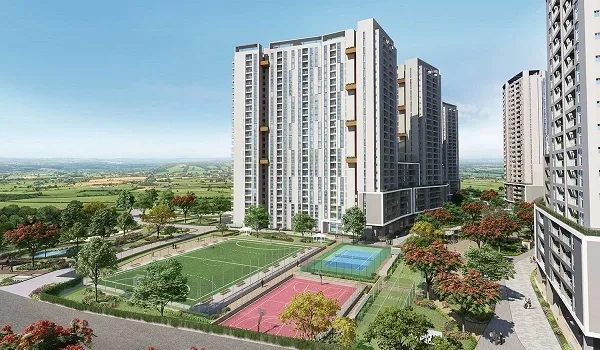
For non-resident Indians, a home from a trusted, listed developer is one of the easiest and safest ways to hold Indian real estate, because a strong brand reduces the risk that is hardest to manage from abroad. This 2026 guide explains how an NRI can buy a Godrej Properties home in Bangalore, from FEMA eligibility and funding through NRE and NRO accounts to home loans, Power of Attorney, taxes and repatriating your money later. The rules are straightforward once you know them, but tax positions differ by country and situation, so treat this as a practical map and confirm specifics with your bank and a chartered accountant.
Can NRIs Buy Property in Bangalore?
Yes. Under FEMA, NRIs and OCI cardholders can freely buy residential and commercial property in India, including Godrej apartments in Bangalore, with no special approval and no cap on the number of homes. The one restriction is that they cannot buy agricultural land, farmhouses or plantation property. A completed or under-construction apartment from a developer like Godrej falls squarely within what an NRI is allowed to own, which is why branded city apartments are the most common NRI purchase.
The NRI Purchase at a Glance (2026)
The table sets out the key building blocks of an NRI purchase so you can see the whole process before going into detail.
| Step | What the NRI Needs to Do |
|---|---|
| Eligibility | Confirm NRI or OCI status; buy residential or commercial only, not agricultural land |
| Documents | Valid passport, OCI or PIO card if applicable, PAN card, overseas and Indian address proof |
| Funding | Pay through banking channels via an NRE, NRO or FCNR account, never foreign cash |
| Home loan | Optional; Indian banks fund up to about 75 to 80 percent, EMIs via NRE or NRO account |
| Registration | Attend in person, or appoint a properly attested Power of Attorney holder |
| Taxes | Stamp duty, registration and GST on purchase; capital gains and TDS on a future sale |
Indicative process for 2026 based on prevailing FEMA and RBI rules. Confirm current requirements with your bank and a chartered accountant before you transact.
How to Fund the Purchase: NRE, NRO and FCNR
All payments must move through normal banking channels, not foreign currency cash. You can pay from an NRE account funded by your overseas income, an NRO account that holds your India-sourced income, or an FCNR deposit. The choice matters most for later repatriation: money brought in and paid from an NRE account is the easiest to send back abroad, while funds routed through an NRO account face the annual repatriation limit and more paperwork. If you expect to take the money out of India in future, funding from an NRE account keeps things simplest.
Home Loans for NRIs
You do not have to buy in full cash. Most major Indian banks and housing finance companies offer home loans to NRIs, typically funding up to around 75 to 80 percent of the property value, with the balance as your down payment. Interest rates are broadly in line with resident loans, tenures are usually a little shorter, and EMIs are repaid from your NRE or NRO account. A Godrej project generally has approvals from leading banks, which simplifies the loan, but always confirm that your specific project and tower are on the lender's approved list before you apply.
Power of Attorney and Documentation
Because you may not be in India for site visits, agreement signing and registration, a Power of Attorney is the tool that lets a trusted person act for you. It is not legally mandatory, but it is highly practical, and it must be carefully drafted for the specific transaction and attested at the Indian embassy or consulate in your country of residence, then adjudicated in India. Keep your core documents ready too: a valid passport, your OCI or PIO card if applicable, a PAN card for the transaction and taxes, and overseas plus Indian address proof. Clean paperwork upfront prevents most NRI purchase delays.
Taxes, TDS and Repatriation
On purchase, an NRI pays the same stamp duty, registration charges and applicable GST as any buyer. The tax points that need planning come later. When you eventually sell, capital gains tax applies, and the buyer must deduct TDS at the applicable rate on the sale value, which is higher for NRI sellers than residents, though you can apply for a lower-deduction certificate. Rental income is taxable in India as well. On sending money abroad, sale proceeds can be repatriated within the RBI limit of up to USD 1 million per financial year from an NRO account, once taxes are paid and a chartered accountant certificate is in place. A double-taxation avoidance agreement between India and your country can prevent you being taxed twice, so plan the tax side with a professional early.
Why Godrej Suits NRI Buyers
The single biggest NRI risk is buying something you cannot easily monitor from abroad, which is exactly where a strong developer helps. A listed brand like Godrej offers transparency, RERA-registered projects and a delivery track record you can verify remotely, and its Bangalore homes sit in high-demand IT corridors with steady rental and resale demand. The pre-launch Godrej Whitefield on the East Bangalore belt in Whitefield is one such option for NRIs wanting an early entry into a new Godrej community, while ready Godrej projects suit those who want immediate rental income. Either way, the brand does much of the remote due diligence for you.
Frequently Asked Questions
1. Can NRIs buy Godrej Properties in Bangalore?
Yes, NRIs and OCI cardholders can freely buy residential and commercial property in India, including Godrej apartments in Bangalore, under FEMA rules. They cannot buy agricultural land, farmhouses or plantations.
2. How can an NRI pay for a Godrej apartment?
Payment must be made through normal banking channels using an NRE, NRO or FCNR account, not in foreign currency cash. Funds from an NRE account keep future repatriation simpler.
3. Can NRIs get a home loan for a Godrej property?
Yes, most major Indian banks offer home loans to NRIs, usually funding up to about 75 to 80 percent of the value. EMIs are repaid through your NRE or NRO account.
4. Do NRIs need a Power of Attorney to buy?
A Power of Attorney is not mandatory but is very useful if you cannot be present for registration and paperwork. It should be properly drafted and attested at the Indian embassy or consulate.
5. What taxes apply when an NRI buys or sells a Godrej flat?
On purchase you pay stamp duty, registration and applicable GST like any buyer. On a future sale, capital gains tax and TDS apply, though a tax treaty and exemptions can reduce the burden.
6. Can an NRI repatriate the sale proceeds abroad?
Yes, sale proceeds can be repatriated within the RBI limit of up to USD 1 million per financial year from an NRO account, subject to taxes being paid. Proper documentation and a chartered accountant certificate are needed.
Conclusion
Buying a Godrej home in Bangalore as an NRI is well within reach: you are freely allowed to own residential property under FEMA, you fund it through your NRE or NRO account, Indian banks will finance most of it, and a Power of Attorney handles the paperwork when you cannot fly in. The parts that reward early planning are the tax and repatriation side, so line up a chartered accountant before you sell rather than after. Whichever Godrej project you choose, confirm its registration on the official Karnataka RERA portal and verify the title and approvals remotely before you transfer funds. For NRI-friendly help with a specific Godrej project, contact us here.
Godrej Whitefield Blog
More Godrej Properties and Bangalore market guides.
 Godrej Properties in Bangalore 2026: Projects & Track Record
 Godrej Properties Investment Guide: ROI & Rental Yield 2026
 Godrej Payment Plans & Booking Process in Bangalore 2026
 Godrej Properties vs Prestige, Sobha & Brigade in Bangalore 2026
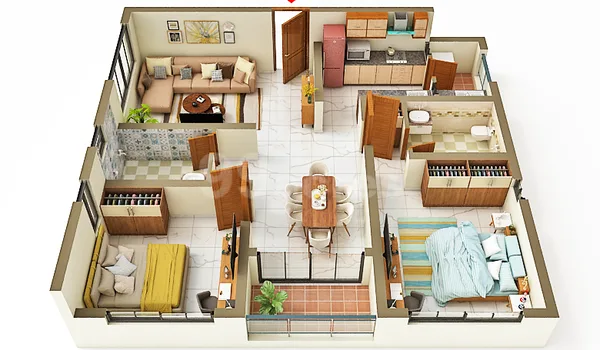 Godrej Properties Floor Plans & Unit Configurations Guide 2026
 Bangalore Real Estate: Prices, Zones & Top Projects 2026